Sewer trouble rarely arrives at a convenient time. Across Columbia County, rainy weather, mature landscaping, and everyday kitchen habits can all affect how a home’s drains and sewer lines perform. A few sensible routines can reduce avoidable blockages and help you notice a developing problem before wastewater backs up. These tips are meant for ordinary homeowner care, not a substitute for professional diagnosis when a drain keeps slowing, a sewer odor returns, or several fixtures begin draining poorly. Northwest Plumbing Services can help you talk through a persistent plumbing or drain-line concern; call the Oregon office at (503) 366-1323.
1. Keep grease and oil out of the drain
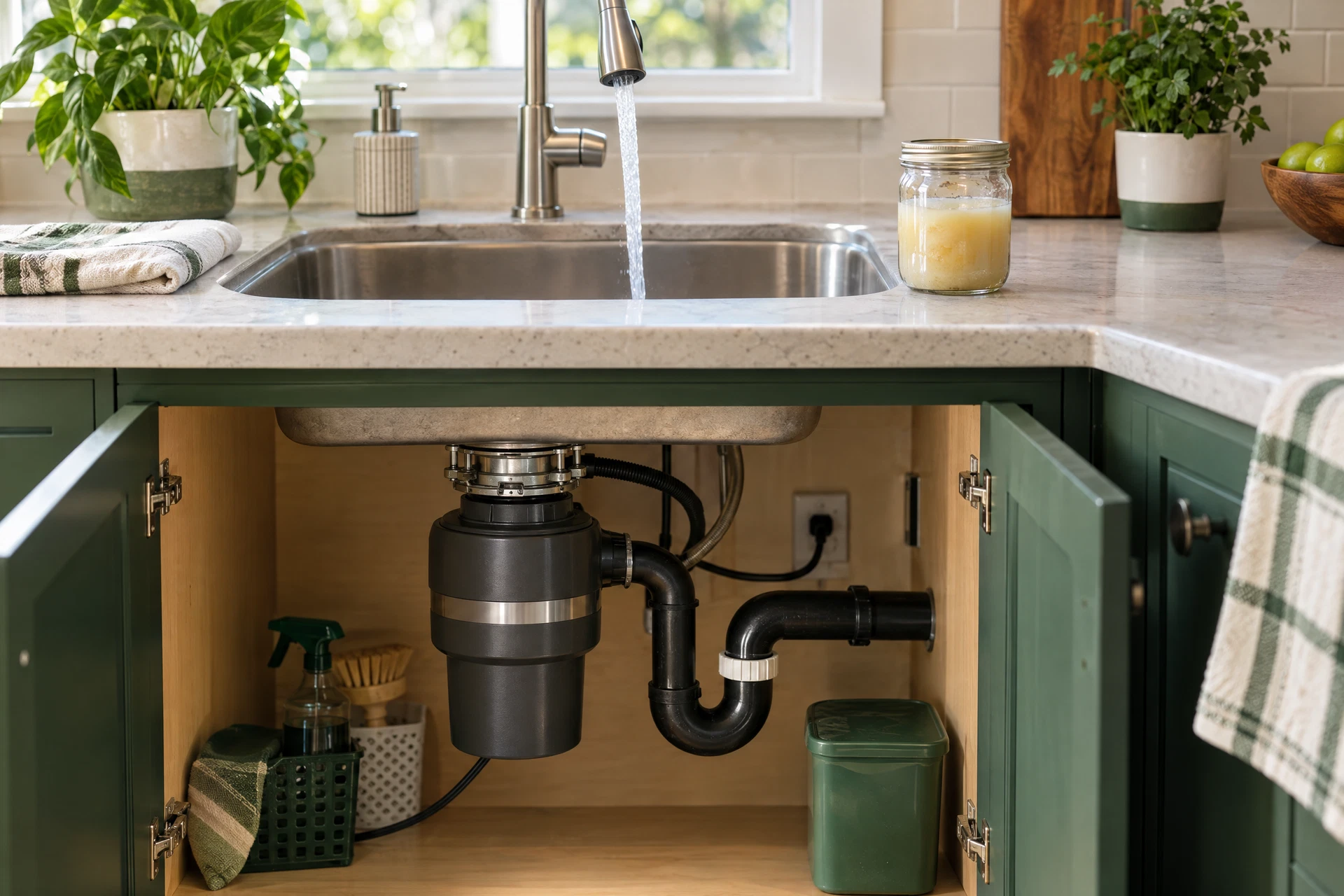
Cooking grease may be liquid in a warm pan, but it can cool inside a pipe and cling to other debris. Let used oil or grease cool, then scrape or pour it into a container for the trash rather than sending it through a sink or toilet. Wipe greasy pans with a paper towel before washing them. This small habit protects the kitchen drain and the line beyond it. For sewer-line repair planning context, review our Sewer Repair Planning guidance.
2. Use the garbage disposal thoughtfully
A disposal is useful for small food scraps, but it is not a replacement for a trash or compost bin. Avoid putting large, fibrous, stringy, or unusually tough items down it. Run cold water while the disposal is operating and for a short time afterward so ground-up scraps move through the drain. If the sink begins draining slowly, stop adding food and address the drainage issue instead of repeatedly running the unit.
3. Respond early to a slow or blocked drain
One sluggish fixture may have a local clog, while slow drainage at several fixtures can point to a larger line problem. Start with simple, low-risk steps: remove visible hair or debris from a stopper, clean the trap only if you can do so safely, and follow the fixture manufacturer’s guidance. Avoid mixing drain chemicals or combining cleaners. A complete blockage, recurring clog, gurgling, sewage smell, or water rising in another fixture is a good reason to contact a plumbing professional rather than keep forcing water through the line.
4. Watch landscaping near sewer routes
Roots seek moisture and can interfere with older or damaged sewer piping. Keep new trees and large shrubs thoughtfully placed away from known clean-outs and buried service routes. Do not dig based on guesswork; check where utilities and sewer piping run before planting or starting a project. If drainage changes after landscaping work, or if a clean-out area shows repeated overflow, note when it happens and ask for an inspection. For a closer look at a sewer-line concern, review our Sewer Camera Inspection guidance.
Questions about this topic
When should I call Northwest Plumbing Services about a sewer or drain concern?
Call (503) 366-1323 when a clog keeps returning, several fixtures drain slowly, wastewater backs up, or you notice a persistent sewage odor. The office can help determine the next practical step and whether a plumbing repair or drain-line evaluation is appropriate.
Can I use chemical drain cleaner for a stubborn clog?
Use caution. Do not mix drain products or pour different cleaners together, and follow every product label. For a complete, recurring, or multi-fixture blockage, contact a professional instead of repeatedly adding chemicals.