A side sewer is the underground drain line that carries wastewater from your home toward the sewer main. It may run beneath a yard, driveway, or other private property, so it is easy to forget until a slow drain, soggy patch, or sewage backup points to trouble. For homeowners in Columbia County, understanding this connection can help you spot risks early and ask better questions before work begins. Northwest Plumbing Services has served local families since 1991 and can help you discuss plumbing repairs and water or drain line concerns. Call the office before a digging project, recurring backup, or suspected break becomes a larger problem.
Where the side sewer begins and ends
Your home’s interior drains meet at the building sewer, which continues outside as the side sewer and eventually connects with the public main. The exact boundary between private and public responsibility can depend on local rules, easements, and the location of the connection. Do not assume the city or a utility will handle every issue outside your walls. Ask the appropriate local authority where its responsibility ends, then have a qualified professional assess the private portion when needed. For sewer-line repair planning context, review our Sewer Repair Planning guidance.
Common causes of side sewer trouble
Underground lines can crack or shift as soil moves, roots grow, or nearby digging disturbs the ground. Older or worn pipe materials can also deteriorate over time. A blockage may come from grease, accumulated debris, or items that should never be flushed. Even a small defect can let soil into the line, let wastewater escape into the yard, or contribute to a backup inside the home.
- Watch for repeated clogs, several slow fixtures at once, gurgling drains, or odors.
- Treat a new wet or unusually green patch of lawn near the sewer route as a reason to investigate, not proof of a sewer leak.
- Keep wipes, paper towels, hygiene products, grease, and cooking oils out of toilets and drains.
What to do when you suspect a problem
Stop adding water if sewage is backing up, and keep children and pets away from contaminated areas. Avoid opening or digging around a cleanout unless you know what it is and can do so safely. Document when symptoms occur and which fixtures are affected. If a project involves excavation, check for utility markings and ask about permits before work starts; a side sewer connects to shared infrastructure, so an improvised repair can affect more than one property.
Plan the next step with a local plumbing team
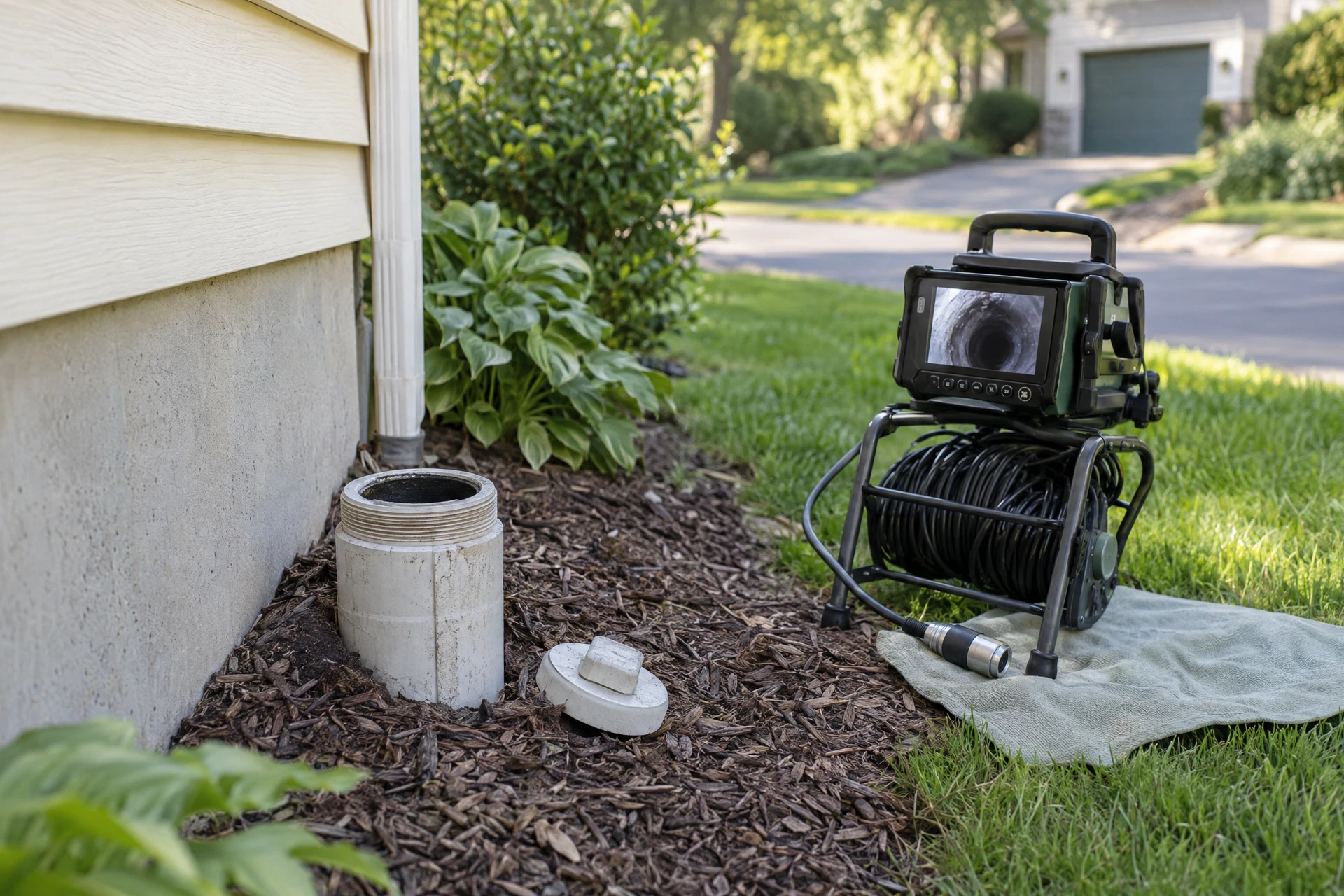
A professional can help narrow down whether the issue is inside the home or along the outside drain line and explain practical repair options. Northwest Plumbing Services handles plumbing repairs and water and drain line work for homes, remodels, new construction, and commercial projects. Share your symptoms, property location, and any recent digging or backups with the office so the team can clarify whether the request fits its services and what should happen next. Contact Northwest Plumbing Services at (503) 366-1323 or office@nwplumbingservices.com. For a closer look at a sewer-line concern, review our Sewer Camera Inspection guidance.
Questions about this topic
Is the homeowner always responsible for a side sewer?
Not necessarily. Responsibility can vary with the local sewer authority, property boundaries, easements, and the point of connection. Ask the relevant local authority to confirm the boundary, and have the private line evaluated before authorizing repairs.
Can I prevent side sewer problems?
You cannot prevent every crack or root intrusion, but you can reduce avoidable clogs by keeping grease, wipes, and non-flushable products out of drains. Be cautious around the likely pipe route, use utility-locating procedures before digging, and respond promptly to recurring backups or unusual yard moisture.