Plumbing advice travels quickly, especially when a small drip or strange sound makes a homeowner worry. Some common warnings are useful, while others leave out important details. Knowing the difference can help you protect your Oregon home, avoid preventable damage, and decide when a repair deserves professional attention. Northwest Plumbing Services has served local families since 1991, and our practical approach is simple: notice changes early, use fixtures as intended, and ask questions before a minor concern becomes a larger one.
A small leak is still worth addressing
Fiction: a faucet, toilet, or appliance that drips a little is nothing to worry about. A single drop may not cause immediate damage, but a continuing leak wastes water and can signal a worn seal, loose connection, damaged supply line, or pressure-related problem. Moisture under a cabinet or around a toilet can also affect flooring and nearby materials before the source is obvious. For a broader service-planning overview, review our Plumbing Services guidance.
Dry the area, note when the leak appears, and check accessible shutoff valves. Do not tighten a connection aggressively or open a wall to chase a hidden leak. If the source is unclear, the leak continues, or you see staining or dampness, contact a plumber for an inspection. Northwest Plumbing Services works on pipes, faucets, toilets, disposals, water lines, and drain lines.
- A slow drip is a reason to plan a repair, not a reason to panic.
- Turn off a local fixture valve when practical; use the main shutoff if water is escaping quickly.
Water-heater noises deserve attention, not alarm
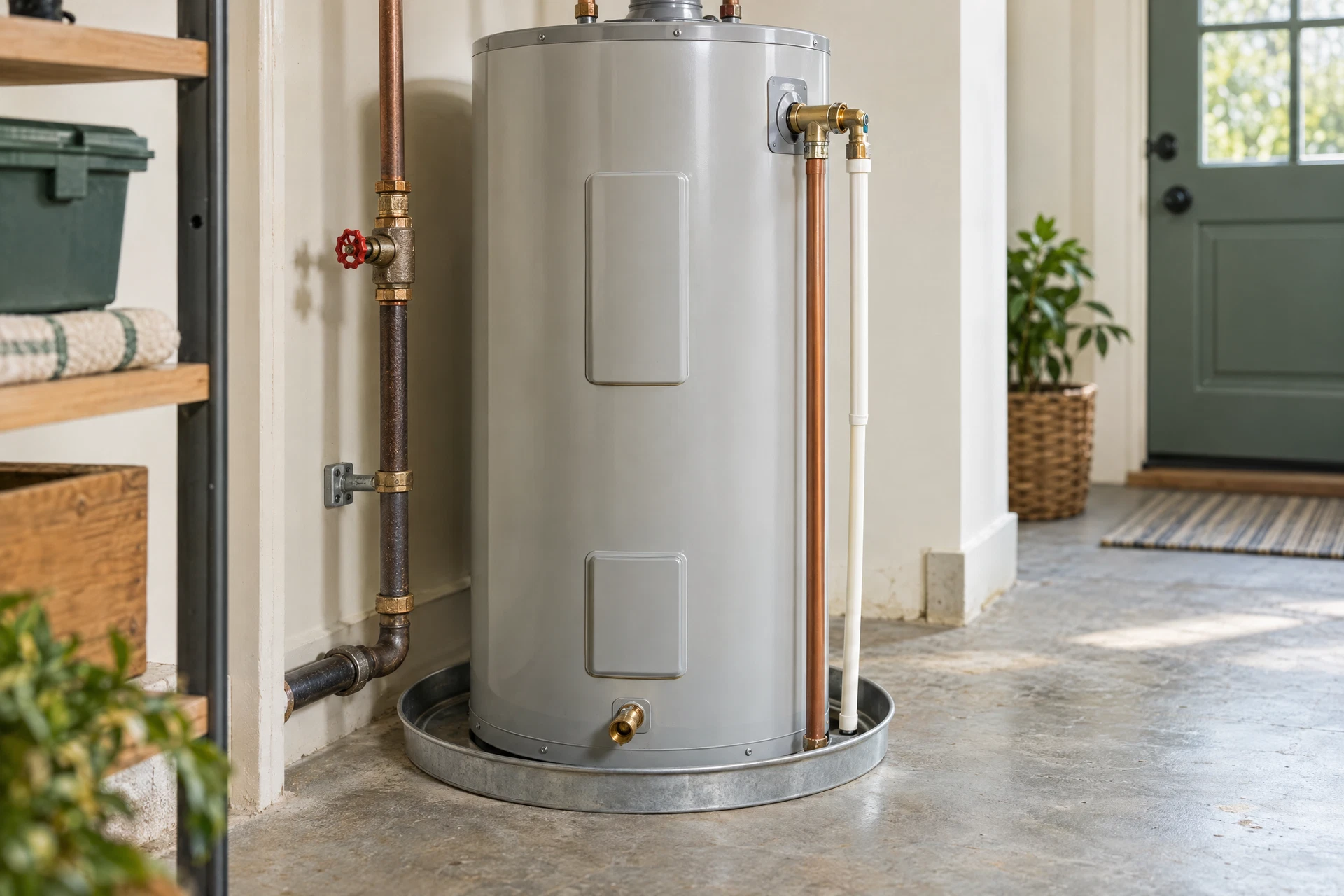
Fiction: a water heater that rumbles is about to explode. Most unusual sounds are not a sign of an imminent explosion. On tank models, rumbling or popping can occur as mineral sediment collects and water heats around it. A leaking tank, unreliable hot water, discolored water, or repeated relief-valve discharge is more useful information than the sound alone.
Keep the area around the heater clear, never block its safety components, and follow the manufacturer’s maintenance instructions. Do not remove panels or test a pressure-relief valve unless you understand the procedure. Northwest Plumbing Services can help with tank and tankless water heaters and can discuss whether repair, maintenance, or replacement fits the home.
- If you smell gas, leave the area and contact the appropriate emergency utility service; do not operate switches nearby.
- A heater that is leaking, overheating, or leaving the home without hot water should be evaluated promptly.
‘Flushable’ does not mean pipe-friendly
Fiction: any product labeled flushable breaks down like toilet paper. Flushable wipes generally break apart more slowly than toilet paper, so repeated use can contribute to clogs in a home’s toilet, drain, or water line system. This is especially true when several wipes are flushed together or when a system already has restricted flow.
The safest routine is to flush human waste and toilet paper only. Put wipes, paper towels, tissues, cotton products, and cleaning materials in the trash unless the product and local utility guidance clearly say otherwise. If a toilet bubbles, drains slowly, or backs up repeatedly, stop flushing and get advice rather than relying on repeated plunging.
- One label is not a guarantee that a product is suitable for every household plumbing system.
- Recurring backups can point to a drain-line or sewer issue that needs diagnosis.
A practical next step for Oregon homes
For a leak, heater concern, stubborn blockage, remodel, repiping project, or new-construction plumbing question, gather a few details before calling: what changed, where it is happening, when it started, and what shutoff you have tried. Northwest Plumbing Services also provides commercial plumbing and accessible low-threshold Bestbath showers. Call (503) 366-1323 or email office@nwplumbingservices.com to discuss the next step. For a pipe condition that needs attention, review our Pipe Repair guidance.
Questions about this topic
Should I call a plumber for a dripping faucet?
Yes, especially when the drip persists, the source is not a simple loose fitting, or there is moisture around the cabinet or wall. A professional can identify whether the issue is a fixture, supply connection, pipe, or pressure problem.
What should I do if my water heater makes a rumbling sound?
Keep the area clear and check for leaks, poor hot-water performance, or relief-valve discharge. Follow the manufacturer’s guidance and contact Northwest Plumbing Services for an evaluation rather than assuming the sound means an explosion is imminent.
Can I flush wipes labeled flushable?
It is safer to place wipes in the trash. They break down more slowly than toilet paper and may contribute to blockages, particularly when used in quantity or with an already restricted system.