Autumn brings cooler temperatures, falling leaves, and long stretches of rain. That change can expose weak points in a home’s drainage system, especially when gutters, downspouts, or underground lines are already restricted. A little seasonal attention can help protect your Oregon home from standing water and avoidable drain trouble. Northwest Plumbing Services offers practical plumbing and drain-line help for homeowners in Columbia County, and our family-owned company has served customers since 1991. Here are sensible checks to make before wet weather settles in.
Start with gutters and downspouts
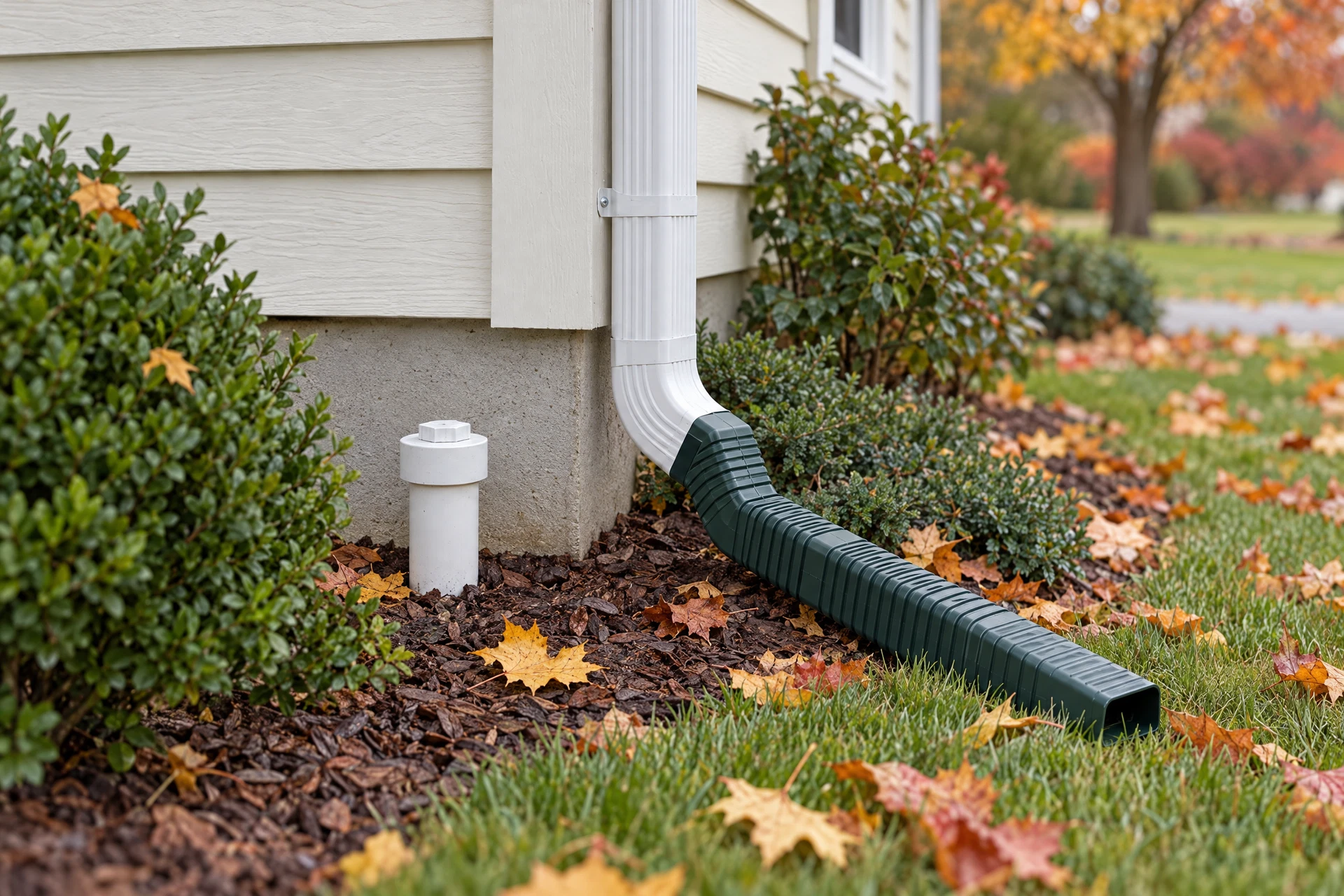
Clear leaves, twigs, and roof debris from gutters before a heavy rain. Then look at each downspout while water is running. Water should move away from the foundation without spilling over joints or pooling beside the house. For isolation and preparation context, review our Whole-Home Water Shut-Off Help guidance.
Downspouts may discharge above ground, into an underground system, or toward a stormwater connection. Older installations can sometimes send roof runoff where it does not belong, placing extra strain on sewer piping. If you are unsure where a downspout leads, have a plumber assess it rather than guessing or digging blindly.
- Check for sagging gutter sections, loose connections, and blocked downspout openings.
- Use a stable ladder and follow manufacturer guidance, or arrange professional help if the work is unsafe.
Watch for signs of a restricted main line
Rain can make an existing drainage restriction more noticeable. Overflow at a downspout connection, slow fixtures throughout the house, gurgling drains, or damp spots near an underground cleanout deserve attention. A single clogged gutter is different from a main-line problem, but clearing the gutter should not be the end of the investigation if water continues to back up.
Main drain lines are underground and can be difficult to diagnose safely from the surface. Avoid repeatedly using harsh chemical drain cleaners when several fixtures are affected. Contact a qualified plumbing professional for an evaluation and the right repair approach.
- Treat recurring backups or multiple slow drains as a house-wide warning, not just a sink clog.
- Keep cleanouts accessible so a technician can inspect the system without unnecessary disruption.
Make seasonal maintenance part of your routine
A fall check does not need to be complicated. Walk the perimeter after a strong storm, note where water collects, and repeat the gutter and downspout inspection as leaves continue to drop. If you have had past drain issues, schedule an inspection before the next problem rather than waiting for a backup.
Northwest Plumbing Services can help with water and drain lines, plumbing repairs, and related work for homes and other properties. Call the Oregon office at (503) 366-1323 or email office@nwplumbingservices.com to describe what you are seeing and ask what next step fits your situation. For water-heater maintenance and planning context, review our Water Heater Service guidance.
- Document persistent pooling with a photo and the date after rainfall.
- Ask the office to confirm current availability and whether an inspection is appropriate for your property.
Questions about this topic
Why is water still overflowing after I clear the gutter?
The downspout connection or an underground drain line may still be restricted, or the outlet may be poorly directed. If overflow continues, contact a plumber for an assessment instead of assuming the gutter is the only problem.
Can Northwest Plumbing Services check a suspected main-line problem?
Call (503) 366-1323 or email office@nwplumbingservices.com with the symptoms and property location. The office can discuss the concern and confirm current service availability.