A slow drain is easy to dismiss until several fixtures begin acting strangely. In an Oregon home, gurgling toilets, recurring clogs, unpleasant sewer odors, or water rising in a tub can point to a blockage farther along the drain or sewer line. Rooter service generally means using professional equipment to clear that obstruction and restore flow; it does not automatically mean a full pipe replacement. Northwest Plumbing Services is a family-owned company established in 1991, serving plumbing needs from its Oregon showroom. If a drain or water-line concern is becoming a pattern, contact the office so the team can discuss the symptoms and the appropriate next step.
What rooter service is designed to do
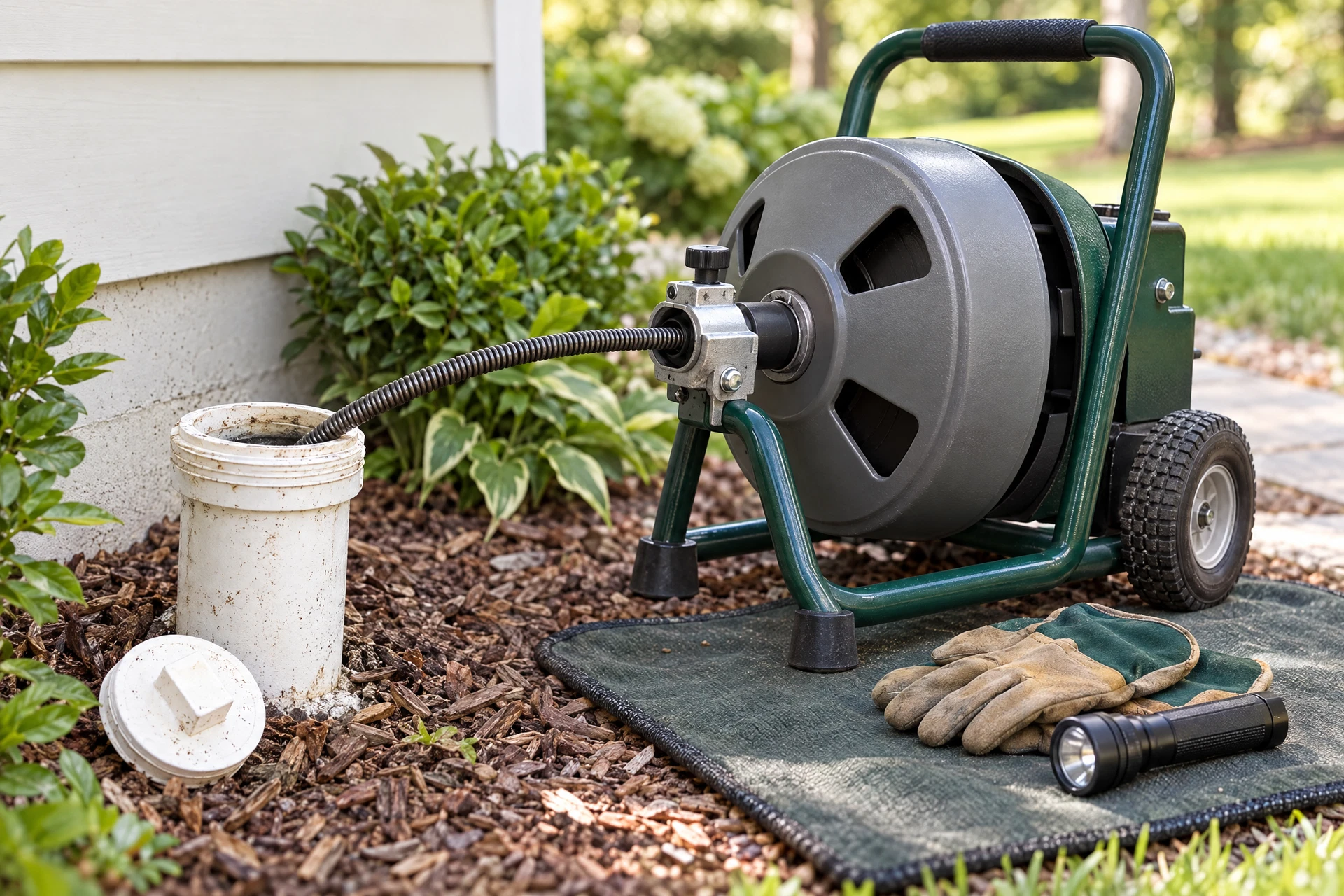
The term rooter came from the once-common problem of tree roots entering underground sewer piping. Today, people often use it for mechanical drain cleaning that breaks through buildup and blockages in a sewer or drain line. Depending on what an inspection or service visit finds, clearing the line may be enough. Damaged, corroded, or repeatedly blocked piping may need a separate repair plan. For sewer-line repair planning context, review our Sewer Repair Planning guidance.
The useful distinction is between restoring flow and correcting the reason flow was lost. A professional can help determine whether the trouble is limited to one fixture, located in a branch drain, or affecting the main line serving the home.
- A single sink or tub clog may be a local fixture or branch-line issue.
- Several slow fixtures, backups, or toilet gurgling can suggest a larger drain-line concern.
- Repeated blockages deserve attention rather than repeated chemical treatments.
Warning signs to take seriously
Pay attention when a toilet bubbles as a sink drains, when wastewater returns through a low tub or floor drain, or when more than one fixture slows at the same time. A persistent foul odor can also signal that wastewater is not moving as it should. These signs do not identify the exact cause by themselves, but they are good reasons to stop guessing and ask a plumbing professional for guidance.
If sewage is backing up, keep people and pets away from the affected area. Avoid running washing machines, dishwashers, or other high-volume fixtures until you have advice, since additional water can worsen an already restricted line.
- Do not mix drain chemicals or pour them into a line that may need professional service.
- Note which fixtures are affected and when the symptoms started.
- Tell the office about prior repairs, recurring clogs, or recent remodeling.
A practical service conversation
When you call, describe the fixtures involved, the frequency of the problem, and whether water backs up or only drains slowly. Photos of visible standing water or an accessible cleanout can help explain the situation, but do not open a cleanout if sewage may spill or the cap is difficult to remove. The plumbing team can explain what information is useful and whether an on-site assessment is appropriate.
For Columbia County homes, planning also matters. Ask what work is being considered, what access may be needed, and whether the issue appears to involve a drain line, water line, or fixture. Clear questions help separate an immediate blockage from a longer-term repair or repiping decision.
- Have the property address and a brief symptom timeline ready.
- Ask what service is recommended and what it is intended to resolve.
- Confirm availability, scope, and current pricing with the office before work begins.
Your next step in Oregon
Northwest Plumbing Services handles plumbing repairs and water and drain line concerns, along with fixtures such as toilets, faucets, and disposals. Call (503) 366-1323 or email office@nwplumbingservices.com to discuss a sewer or drain symptom. The office can confirm whether the requested rooter-related work is available and explain the next step for your property. For a closer look at a sewer-line concern, review our Sewer Camera Inspection guidance.
Questions about this topic
Does every slow drain need rooter service?
No. A slow drain may be limited to one fixture, while multiple affected fixtures or recurring backups may point farther into the drain system. Describe the pattern to a professional before choosing a solution.
Should I use chemical drain cleaner first?
It is safer not to rely on harsh chemical cleaners, especially when the cause is unknown or professional work may follow. Keep people away from any treated standing water and tell the plumbing office what products, if any, were used.
How do I reach Northwest Plumbing Services?
Call (503) 366-1323 or email office@nwplumbingservices.com. Contact our Oregon office for showroom directions or mailing details. Ask the office to confirm current sewer or rooter-service availability for your situation.