Your side sewer quietly carries wastewater from your home toward the public sewer system. When that private line becomes clogged, cracked, or overwhelmed, the first signs may appear indoors as slow drains, gurgling toilets, or an unpleasant backup. A little planning can make problems easier to spot and can help you discuss the right next step with a plumbing professional. For homeowners across Columbia County, the key is to understand where the line runs, avoid putting extra strain on it, and treat recurring symptoms as useful information rather than something to ignore.
Know what your side sewer does
The side sewer is the private portion of the wastewater route between your home and the public sewer connection. It may serve kitchen and bathroom fixtures, laundry, and other drains before the flow reaches the community system. The exact ownership and maintenance responsibilities can depend on local rules and the property connection, so confirm those details with the appropriate city or utility office rather than assuming every section is treated the same. For sewer-line repair planning context, review our Sewer Repair Planning guidance.
Start by looking for available property records, utility maps, or cleanout locations. A capped cleanout may be near the foundation or in the yard, but do not dig or open an unfamiliar connection without knowing what it is.
- Note where cleanouts, access points, and visible drain routes are located.
- Ask the City of Oregon or your local utility where to find current connection information.
Watch for early warning signs
One slow fixture can have a local blockage, while several fixtures draining slowly at once may point to a larger line issue. Pay attention to toilets that gurgle when a sink or washing machine drains, water that rises in a floor drain, sewage odors, or backups that return after a temporary clearing. Keep a simple note of which fixtures are affected and when symptoms occur. That history can help a plumber determine whether the concern is inside the house or farther along the side sewer.
- Reduce water use if wastewater is backing up, and keep people and pets away from contaminated water.
- Do not rely on repeated chemical drain treatments to solve a recurring main-line problem.
- If a backup is active, contact a qualified plumbing professional for safer diagnosis.
Plan maintenance around the property
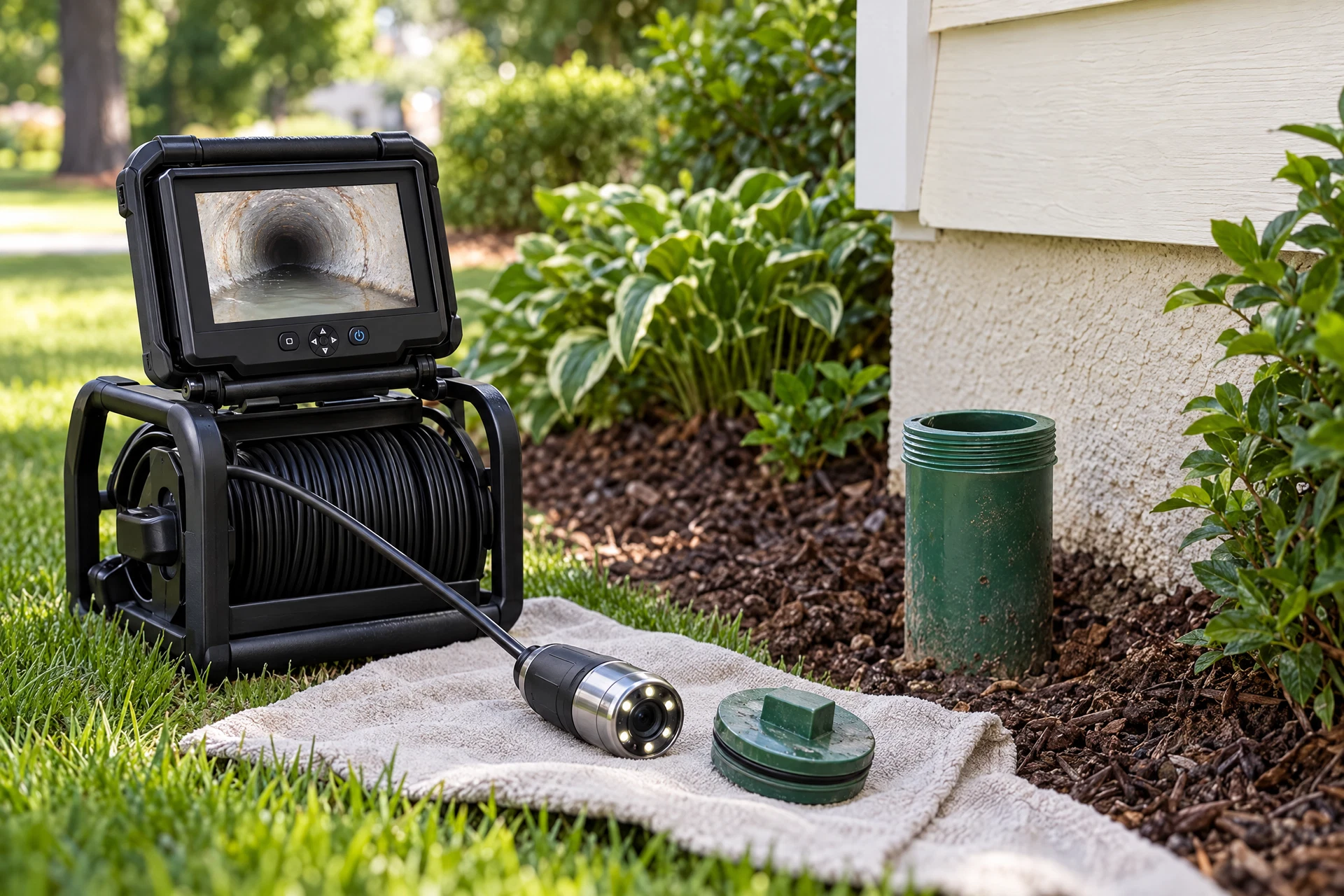
Roots, settled soil, grease, and aging pipe materials can affect buried sewer lines. Maintenance is not a one-size-fits-all calendar: the right approach depends on pipe condition, tree growth, past blockages, and the layout of the property. If symptoms repeat, ask about a camera inspection so the condition and location of the concern can be evaluated before choosing a repair or cleaning method. A professional may discuss options such as line cleaning or repair after inspecting the situation; avoid promising a particular method until the pipe is understood.
Keep shrubs and trees, paving plans, and future remodels in mind when recording the route. Before excavation or construction, have underground utilities located through the appropriate local process.
- Save inspection findings and repair details with your home records.
- Ask whether a cleanout or access improvement would make future service easier.
When to call Northwest Plumbing Services
Northwest Plumbing Services can help homeowners discuss plumbing repairs and water or drain-line concerns. Call the Oregon office at (503) 366-1323 or email office@nwplumbingservices.com to describe the symptoms and ask what information to gather. The team can help you understand available plumbing service options, while local utility officials can clarify public-connection responsibilities. If you are unsure whether your situation needs urgent attention, explain what is happening and ask the office for guidance rather than assuming a response time or after-hours availability. For a closer look at a sewer-line concern, review our Sewer Camera Inspection guidance.
- Have the property address, fixture symptoms, cleanout information, and any prior service notes ready.
- Ask the office to confirm current availability, scope, and whether an inspection is appropriate.
Questions about this topic
Is the side sewer always the homeowner’s responsibility?
Not necessarily. Responsibility can vary by location, connection, easement, and local requirements. Confirm the boundary with the City of Oregon or the relevant utility before arranging work.
Should I schedule sewer cleaning on a fixed schedule?
There is no universal schedule. A plumber can consider the pipe material, past blockages, roots, and inspection findings before recommending maintenance.
What should I do when several drains back up?
Limit water use, keep away from contaminated water, and contact a qualified plumbing professional. Tell the office which fixtures are affected and whether the problem returns after draining.