Sewer trouble often gives a home a few clues before a small concern becomes a messy interruption. Throughout Columbia County, wet weather, mature landscaping, and older plumbing can make it especially important to pay attention to changes around the house. A slow drain by itself may have a simple cause, but several symptoms together can point to a problem in a building drain or sewer line. Watch for patterns rather than waiting for a complete backup, and contact Northwest Plumbing Services when you need help identifying the source.
Odors and repeated backups deserve attention
A sewage-like odor indoors, near cleanouts, or in the yard is not something to mask with air freshener. It can indicate a dry trap, venting concern, damaged connection, or another drainage problem. The smell alone does not identify the repair, so note where it appears and whether it follows laundry, showers, or heavy rain. For sewer-line repair planning context, review our Sewer Repair Planning guidance.
Frequent toilet backups or several fixtures draining slowly at once are more concerning than one isolated clog. When water rises in a low fixture while another fixture is running, the restriction may be farther along the shared drain path. Pause water use and arrange an evaluation instead of repeatedly forcing the system with plungers or chemical products.
- Track which fixtures are affected and whether the problem returns after clearing.
- If wastewater is present, keep people and pets away and avoid contact with standing water.
Look for moisture and unusual indoor changes
A damp wall, ceiling stain, musty area, or new surface growth can have many causes, including roof, condensation, supply-line, and drainage issues. A plumbing inspection can help determine whether a drain or sewer leak is involved. Do not assume a stain proves a sewer-line failure, but do not ignore one that is spreading or accompanied by an odor.
Photograph the area, note when it appears, and limit use of nearby fixtures until the source is clearer. A qualified professional can help separate a localized fixture problem from a larger water or drain-line concern.
- Check for dampness around cleanouts, under sinks, and near bathroom floors without opening walls or digging.
- Keep the area ventilated when practical, while addressing the moisture source rather than only treating the surface.
Notice changes outside the home
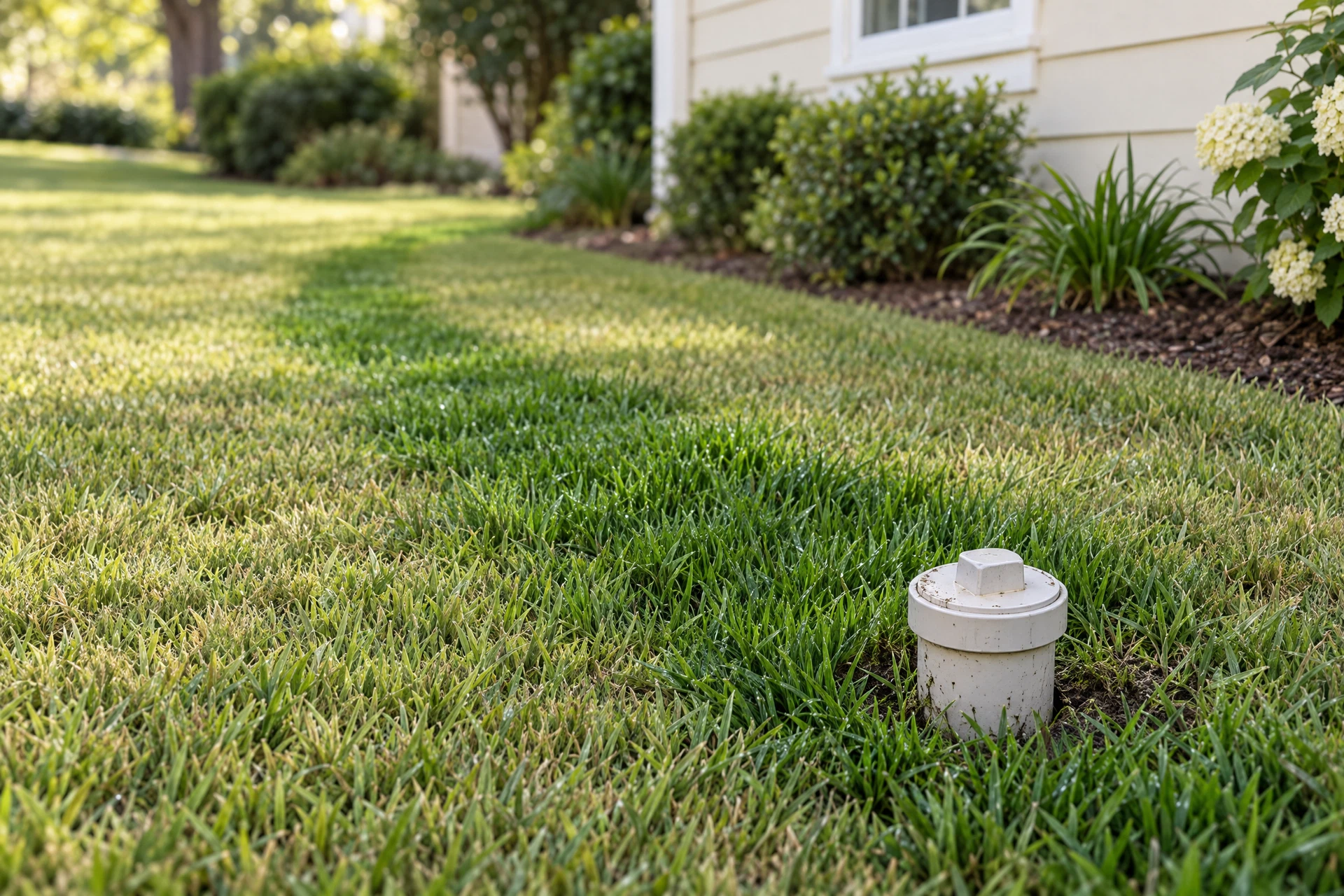
A sunken strip of soil, standing water, soft ground, or an unusually lush patch of lawn over a drain route may warrant a closer look. In Oregon, seasonal rain can create ordinary wet spots, so compare the area with nearby ground and watch whether it persists during drier weather. Roots, grading, broken piping, or another drainage condition can produce similar signs.
Do not dig into a suspected line or cover the area before it is assessed. Mark the location, keep vehicles off soft ground, and share what you have observed with the plumber.
- Record changes after storms, laundry days, or periods of heavy household water use.
- Ask whether the next step is a targeted repair, drain-line work, or a broader inspection.
What to do next
Northwest Plumbing Services can help Columbia County homeowners investigate plumbing, water-line, and drain-line concerns and discuss practical repair options. The company also handles repiping and related plumbing work when a larger issue is identified. Call (503) 366-1323 or email office@nwplumbingservices.com with the symptoms, affected fixtures, and whether wastewater or active leaking is present. The office can explain available scheduling and confirm which service is appropriate for your situation. For a closer look at a sewer-line concern, review our Sewer Camera Inspection guidance.
Questions about this topic
Is one slow drain proof that I have a sewer problem?
No. One slow fixture can have a local clog or trap issue. Repeated backups, several affected fixtures, sewage odors, or outdoor changes make a professional evaluation more useful.
What should I do if wastewater backs up into the home?
Stop using water if possible, keep children and pets away from the affected area, avoid contact with the water, and contact Northwest Plumbing Services to discuss the symptoms and next step.
Can a green or wet patch in the yard confirm a broken sewer line?
No. Rain, irrigation, grading, roots, and other plumbing or drainage conditions can look similar. A plumber should assess the location before you dig or assume the cause.