A slow sink, gurgling toilet, or water rising in a shower can be an early warning that a blockage is developing. Throughout Columbia County, everyday debris inside the home can restrict a drain, while roots or aging pipe materials outside can affect the main sewer line. Pouring chemical drain cleaner may seem convenient, but it rarely addresses a deeper obstruction and can be hard on plumbing. A better first step is to identify what is going down the drain, note where symptoms appear, and arrange professional guidance when more than one fixture is affected.
Everyday household clogs
Kitchen and bathroom routines gradually put material into the plumbing. Grease, cooking oils, food scraps, rice, and coffee grounds can collect or swell in a line. Hair can tangle with soap and other debris in a tub or shower drain. A strainer helps, but it still needs to be emptied regularly. For sewer-line repair planning context, review our Sewer Repair Planning guidance.
Toilets are designed for human waste and toilet paper. Do not flush wipes, diapers, paper towels, sanitary products, or other items labeled flushable unless your plumber confirms they are suitable for your system; many do not break down like toilet paper.
- Wipe fats and oils into a container for disposal instead of sending them down the sink.
- Scrape plates and use a sink strainer before washing dishes.
- Fit a mesh cover over shower and tub drains to catch hair.
When the problem may be in the sewer line
A single slow drain may point to a local clog. Several fixtures backing up, foul odors, gurgling, or wastewater appearing in a low drain can suggest a restriction farther along the water or sewer line. Stop adding water if wastewater is rising, and keep people and pets away from contaminated areas.
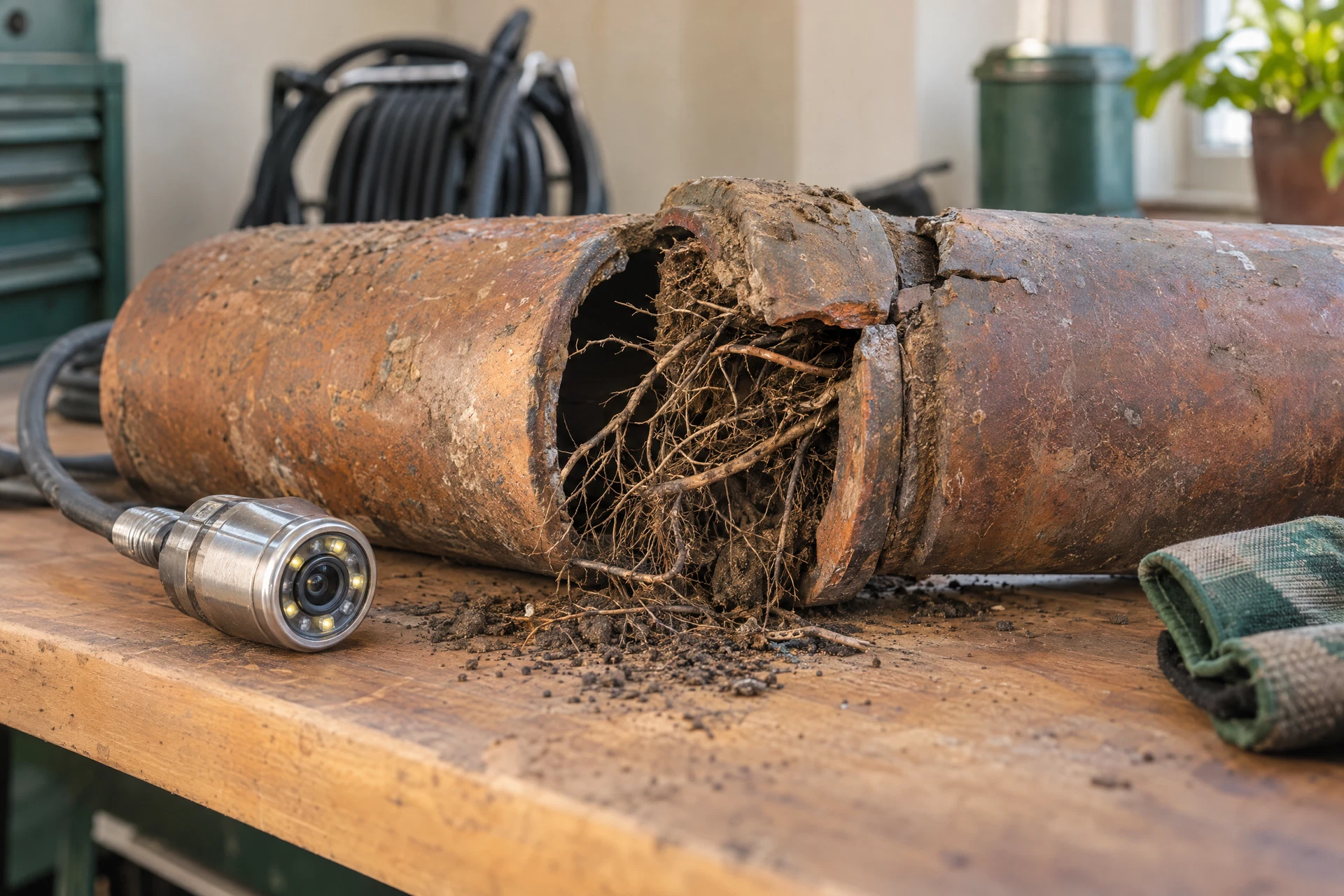
Tree roots can enter small joints or cracks as they seek moisture. Older or damaged pipes can also lose their smooth interior, shift, crack, or collapse over time. Chemical cleaner and repeated plunging cannot correct those conditions. A plumber can help determine whether an inspection or repair is appropriate.
Practical next steps for Oregon homeowners
Write down which fixtures are affected, when the symptoms began, and whether the problem returns after plunging. Avoid mixing drain chemicals or using them before professional service. If a backup is active, contact Northwest Plumbing Services at (503) 366-1323 or office@nwplumbingservices.com to discuss the situation and the next step. The family-owned company has served customers since 1991 and can also help with plumbing repairs and water or drain lines. For a closer look at a sewer-line concern, review our Sewer Camera Inspection guidance.
- For routine prevention, keep grease, hair, and non-toilet paper out of drains.
- Ask the office what inspection or repair options fit your property; availability and scope depend on the situation.
- Contact our Oregon office for showroom directions or mailing details.
Questions about this topic
Why do several drains back up at once?
When sinks, showers, or toilets show symptoms together, the restriction may be in a shared drain or sewer line rather than one fixture. Reduce water use and contact a plumber for guidance.
Are wipes safe to flush?
Many wipes do not break down like toilet paper, even when marketed as flushable. The safest practice is to place wipes, diapers, sanitary products, and paper towels in the trash.
Can chemical drain cleaner fix a sewer backup?
It may not reach or remove a main-line obstruction and can damage plumbing or create a hazard for the next person working on the line. Ask Northwest Plumbing Services about the appropriate next step instead.