A sewer backup is stressful, but understanding the repair process can make the next decision clearer. Across Columbia County, the first goal is to determine whether the trouble is a stoppage inside the line or damage to the pipe itself. Northwest Plumbing Services can discuss the symptoms, inspect the situation, and explain practical options for your property. A careful evaluation helps avoid guessing at the cause and gives you a better basis for planning the work.
Start with safe, useful information
If wastewater is rising through a floor drain or backing up into fixtures, stop using water until the source is clearer. Keep people and pets away from contaminated water, and avoid mixing drain chemicals with an already difficult situation. Note which fixtures are affected, when the backup began, and whether heavy rain changed the symptoms. Those details can help a plumber decide what to investigate first. For sewer-line repair planning context, review our Sewer Repair Planning guidance.
A drain clearing may solve a blockage, while repeated backups can point to a deeper line concern. Inspection should guide the next step rather than assuming that every backup requires excavation.
- Stop running sinks, showers, washing machines, and toilets if the backup is active.
- Do not enter contaminated water without appropriate protection.
- Take photos from a safe distance and record recent symptoms for the plumbing visit.
How the line is evaluated
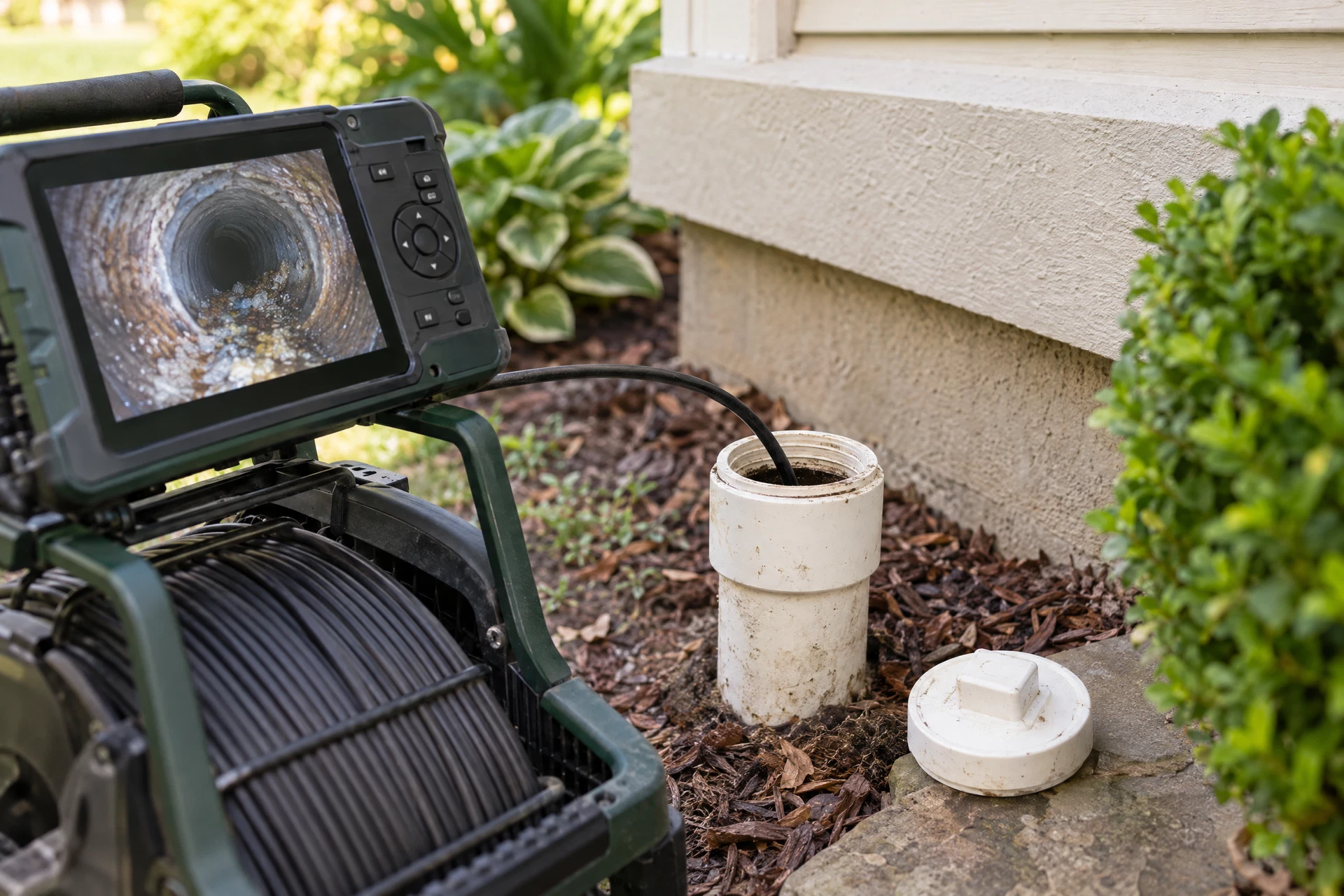
A plumber may use drain equipment to address a clog and, when appropriate, inspect the inside of the sewer line with a camera. That view can help locate roots, buildup, a break, or another restriction. The findings also help distinguish a repairable section from a problem that may call for repiping or a larger plan. Ask for an explanation of what was found and where it is located before approving the next phase.
- Ask whether the issue appears to be a blockage, a damaged pipe, or both.
- Request the recommended repair area and the reason that method fits the condition.
- Confirm what access, cleanup, and inspection steps are included in the proposal.
Choosing a repair approach
The right approach depends on the pipe condition, access, depth, property layout, and local requirements. Some repairs may involve clearing the line or replacing a section. Others may require broader water or drain-line work, including repiping. Northwest Plumbing Services can review the practical tradeoffs with you, including disruption to landscaping, floors, or other finished areas. Permit and utility-location requirements can vary by project, so confirm what must be arranged before digging or structural work begins.
Before work starts, ask how long the plumbing may be unavailable, how the work area will be protected, and who handles required coordination. A written scope can reduce surprises even when the final timing depends on what is uncovered.
- Compare the expected durability, access needs, disruption, and cost of each suitable option.
- Clarify whether permits, utility locating, inspections, and restoration are part of the plan.
- Ask what to do if the line condition differs from the initial inspection.
Talk through the next step
For a suspected sewer backup in Oregon, contact Northwest Plumbing Services at (503) 366-1323 or office@nwplumbingservices.com. The family-owned company, established in 1991 by David and Mindy Sass, can discuss your symptoms and the appropriate plumbing evaluation. Have your address, fixture symptoms, and any inspection information ready so the office can help you plan the conversation. For a closer look at a sewer-line concern, review our Sewer Camera Inspection guidance.
Questions about this topic
What should I do first during a sewer backup?
Stop using water, keep people and pets away from contaminated areas, and call the plumbing office for guidance. Share which fixtures are affected and whether the problem is recurring or follows heavy rain.
Does every sewer backup require a new sewer line?
No. A backup may come from a blockage that can be cleared, while a damaged or repeatedly failing line may need repair, replacement, or repiping. Inspection helps identify the cause before a method is chosen.
How can I prepare for a sewer repair discussion?
Write down the symptoms, timing, affected fixtures, and any prior drain work. Ask what the inspection found, where the issue is located, which options fit the property, and what permits, utility locating, access, cleanup, and service interruptions may be involved.