A toilet is easy to overlook until a running tank, weak flush, or high water bill gets your attention. In an older Oregon home, replacing an aging toilet can be a practical improvement for both daily comfort and water use. The U.S. Environmental Protection Agency says toilets account for nearly 30 percent of average indoor household water use, and WaterSense-labeled models use 1.28 gallons per flush or less while meeting independent performance standards. That does not mean every bathroom needs the same fixture. Household size, bathroom layout, drain conditions, accessibility needs, and the way a toilet performs after installation all matter. Here is a grounded way to compare options for a home or small business in Columbia County.
What makes a toilet water-efficient?
Older toilets may use several gallons per flush. Modern high-efficiency toilets use 1.28 gallons or less, and some dual-flush designs offer a reduced flush for liquid waste. Look for the WaterSense label when comparing models: EPA says labeled toilets are third-party certified for water efficiency and performance, not just advertised as low flow. For toilet repair or replacement context, review our Toilet Plumber guidance.
- Check the gallons-per-flush rating on the product label.
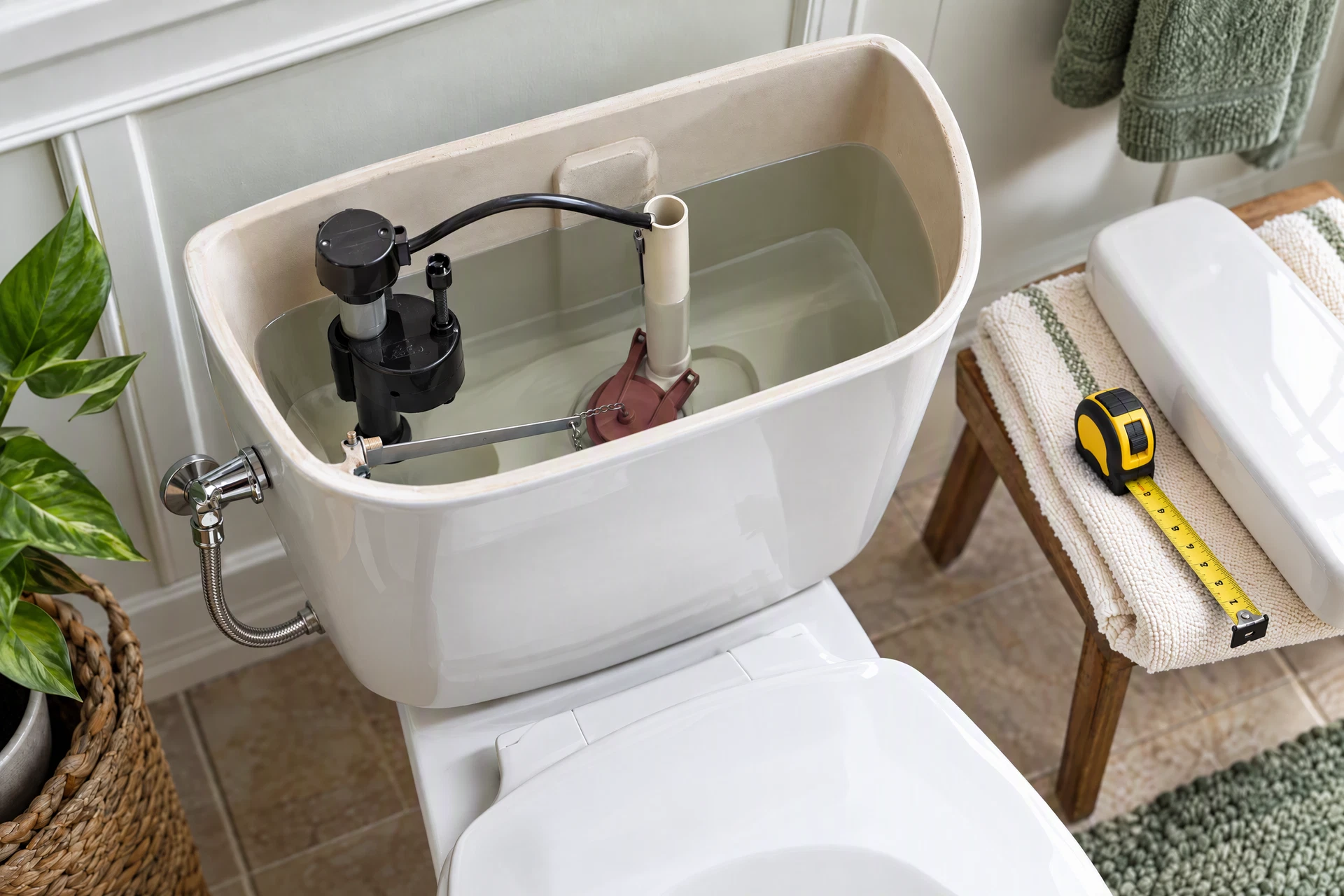
- Compare bowl shape, seat height, rough-in measurement, and available bathroom space.
- Choose a model with tested flushing performance, not the lowest water number alone.
Savings depend on the whole bathroom
EPA estimates that replacing old, inefficient toilets with WaterSense models can reduce toilet water use by 20 to 60 percent, or nearly 13,000 gallons a year for an average family. Actual savings vary with the number of people in the home, flush frequency, local water and sewer rates, and whether the old fixture is leaking. A new toilet can also be a sensible time to inspect the shutoff valve, supply connection, flange, and surrounding floor for signs of trouble.
Avoid the wrong fixture for the job
A toilet that needs repeated flushing is not a good water-saving upgrade. Before choosing, consider who uses the bathroom, whether a taller or easier-to-access design would help, and whether the existing plumbing needs repair. Northwest Plumbing Services can help with toilets and related plumbing repairs, including fixtures, water lines, drain lines, and remodel work. For an accessible bathroom, the company also offers low-threshold Bestbath showers; ask the office what configuration fits your project.
A sensible next step in Oregon
If you are replacing a toilet, note the current model, measure the wall-to-bolt rough-in, and take a photo of the water connection before calling. Northwest Plumbing Services is family-owned by David and Mindy Sass and has been established since 1991. Call (503) 366-1323 or email office@nwplumbingservices.com to discuss the fixture, installation, or any related repair. Contact our Oregon office for showroom directions or mailing details. For a toilet drain concern, review our Toilet Drain Service guidance.
Questions about this topic
How much water should a newer toilet use?
A WaterSense-labeled residential toilet uses 1.28 gallons per flush or less and is independently certified for efficiency and performance. Check the specific model label before buying.
Should I choose a dual-flush toilet?
It can be a useful option when your household will consistently use the reduced flush for liquid waste. Compare the model's performance, controls, fit, and maintenance needs rather than choosing by flush type alone.
Can Northwest Plumbing Services help me choose and install a toilet?
Call (503) 366-1323 or email office@nwplumbingservices.com to discuss your bathroom and installation needs. The team provides plumbing repairs and work on toilets and related water and drain lines.