A sewer backup can start with a slow drain, a gurgling toilet, or an odor that comes and goes. By the time wastewater reaches a floor drain or tub, the underlying problem may be farther down the private sewer or drain line. For homeowners across Columbia County, the practical response is to notice early changes, avoid making a blockage worse, and get clear guidance before a small concern becomes a messy interruption. Northwest Plumbing Services has served local homeowners since 1991, and our office can help you talk through the symptoms and the right next step.
Know what a sewer backup can look like
One isolated slow sink may be a local fixture clog. Several slow drains, bubbling or gurgling toilets, repeated backups, or sewage odors suggest that water is having trouble moving through a larger section of the system. Notice when the symptoms happen and which fixtures are affected. That information can help a plumber narrow down whether the issue is near one fixture or farther along the home’s drain line. For sewer-line repair planning context, review our Sewer Repair Planning guidance.
Stop using affected fixtures if wastewater is rising, and keep children and pets away from contaminated water. Do not mix chemical drain cleaners or use them as a substitute for diagnosis. If water is near electrical equipment, treat the area as hazardous and contact the appropriate professional before entering it.
- Slow drainage at more than one fixture
- Gurgling sounds after a toilet flush or appliance discharge
- Sewer odors indoors or around a floor drain
- Water or wastewater returning through a tub, shower, or low drain
Protect your drains with simple habits
Toilets are designed for human waste and toilet paper. Put wipes, paper towels, hygiene products, cotton items, and other waste in the trash, even when packaging calls a product flushable. In the kitchen, collect grease and cooking oils in a container instead of sending them down the sink. These habits reduce the chance of buildup in household piping and the private-side drain system.
Separate public alerts from a private plumbing problem
News about a wastewater spill, utility notice, or waterway advisory concerns a public system or an affected area. It does not diagnose a backup inside your home. Conversely, a problem on your property may not appear in a public alert. Check notices from your local utility or health authority when relevant, and treat your own home’s warning signs as a separate maintenance question.
When to contact Northwest Plumbing Services
Call the Northwest Plumbing Services office when backups recur, multiple fixtures slow down, or you see signs of wastewater. We provide plumbing repairs and work with water and drain lines; we can discuss the symptoms, explain what information is useful, and confirm which service is appropriate for your situation. Do not wait for a complete backup if the warning signs are becoming more frequent.
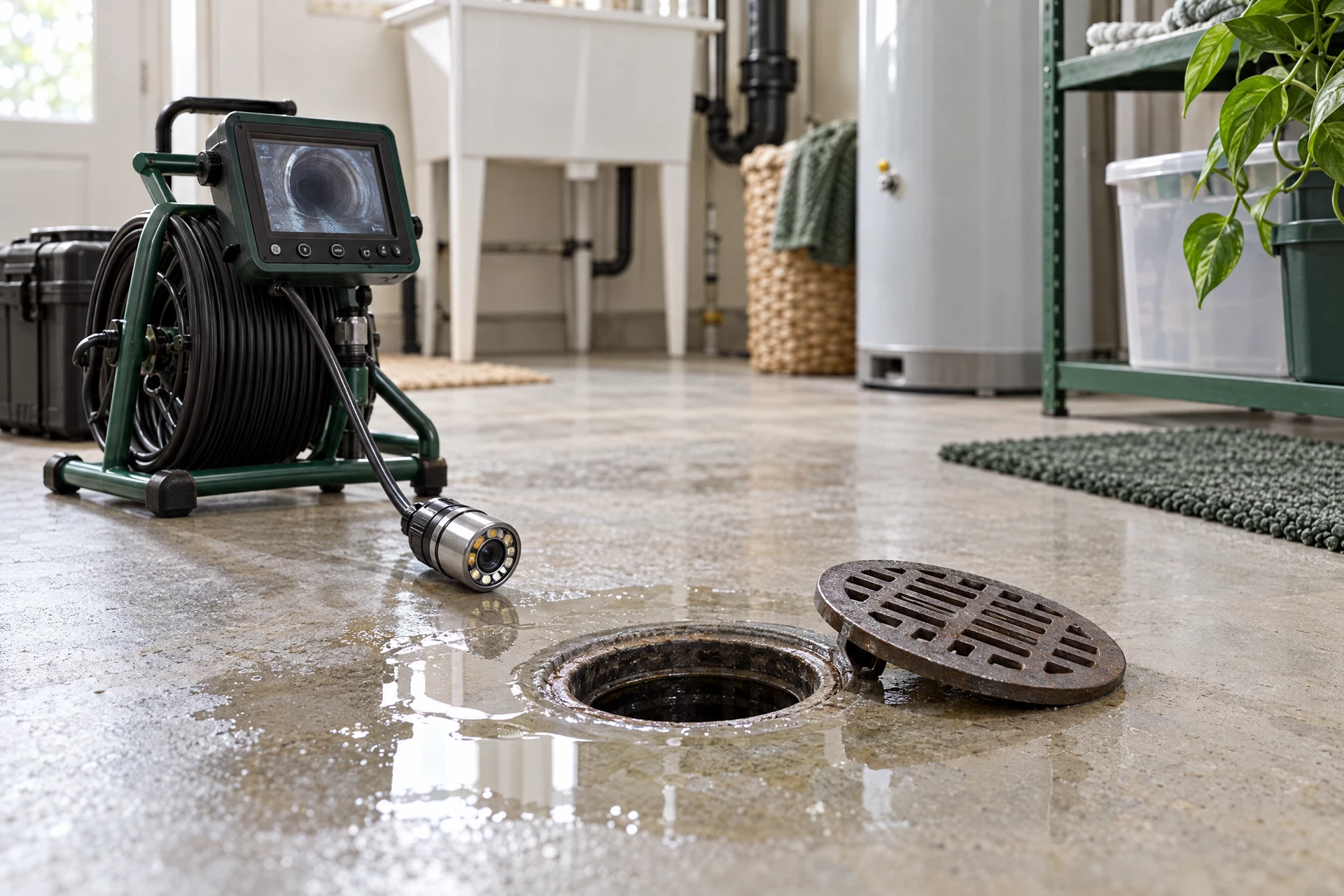
For help in Oregon or nearby Columbia County communities, contact our family-owned company at (503) 366-1323 or office@nwplumbingservices.com. Tell us what you observed, when it began, and whether any wastewater is present. We will help you confirm the available next step. For a closer look at a sewer-line concern, review our Sewer Camera Inspection guidance.
Questions about this topic
Should I flush a product labeled flushable?
It is safer to flush only human waste and toilet paper. Put wipes and other household products in the trash because they can contribute to stubborn clogs.
What should I do during an active sewer backup?
Stop using nearby plumbing, keep people and pets away from wastewater, and avoid mixing or adding chemical drain cleaners. Contact the Northwest Plumbing Services office for guidance at (503) 366-1323.
Can Northwest Plumbing Services help with a recurring drain concern?
Our verified services include plumbing repairs and water and drain line work. Contact the office with your symptoms so we can confirm the appropriate service and scope for your Oregon home.